Before It Became a Show: The First Journey of Song of Sunset
A behind-the-scenes look at the documentary journey that began in Central Oregon’s small music rooms—and led to the first Song of Sunset live-cinema experience at Volcanic Theatre Pub in 2025.
There is a moment in almost every creative project when the thing you are making begins to tell you what it wants to become.
When I started filming the first, self-titled Song of Sunset documentary, I thought I was making a film about solo musicians and the Central Oregon places that give them room to be heard. I wanted to understand what happens when one person steps onto a small stage with a song, a story, and no place to hide.
I did not yet know that the documentary would become the beginning of an entirely different kind of live experience.
Following the Music Into the Room
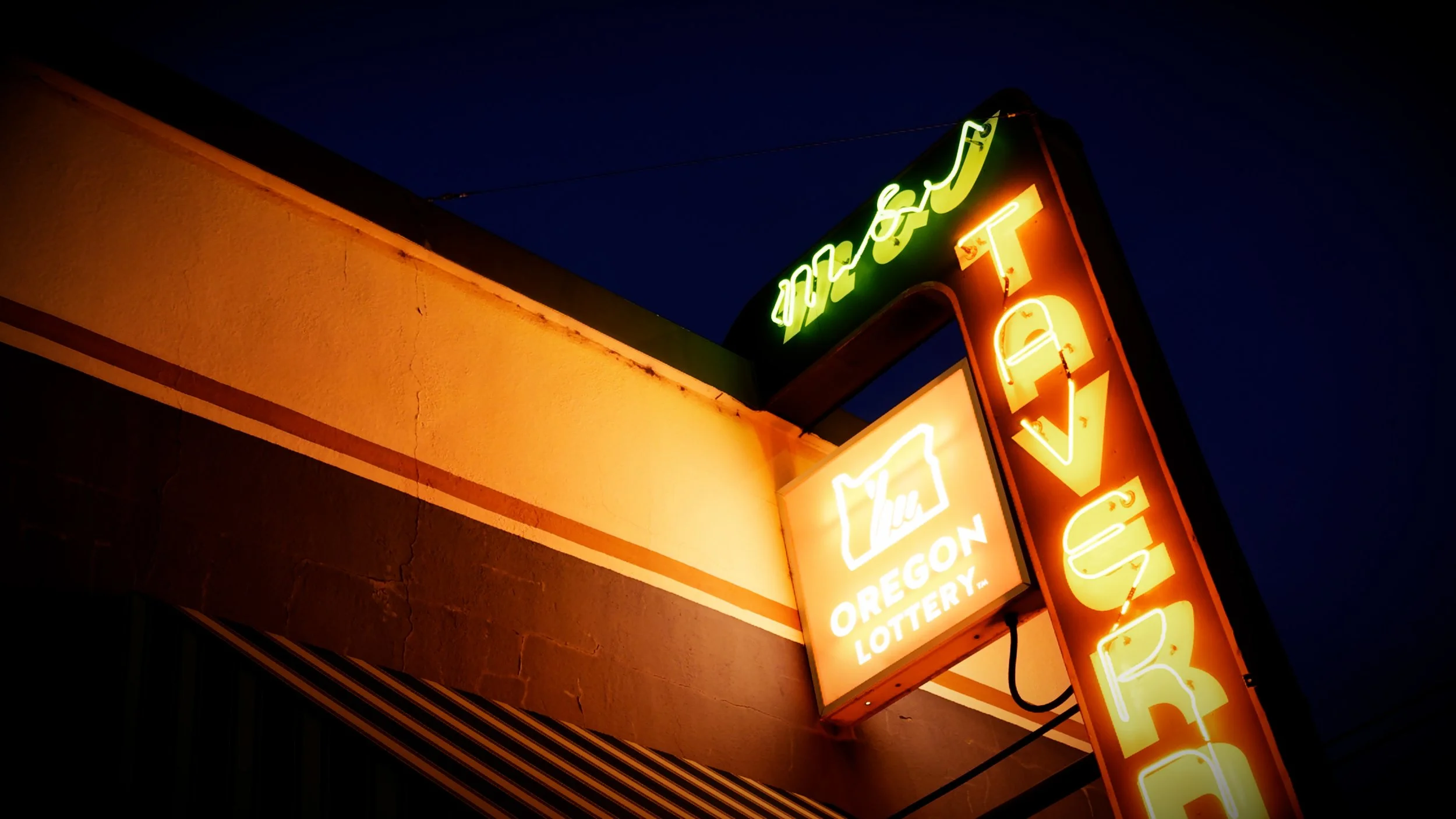
The first journey took us into places including M&J Tavern and Volcanic Theatre Pub—rooms with distinct histories, personalities, and communities. These were not simply backdrops. They were part of the story.
Small venues create a particular kind of relationship between a performer and an audience. There is very little distance. You can hear the room respond. You can feel when a lyric connects, when a story changes the atmosphere, or when a musician finds something in a song that was not there during soundcheck.
As a filmmaker and a performing musician, I was interested in that exchange. I wanted to document the people who create those moments, the venues that make them possible, and the communities that keep returning to experience them.
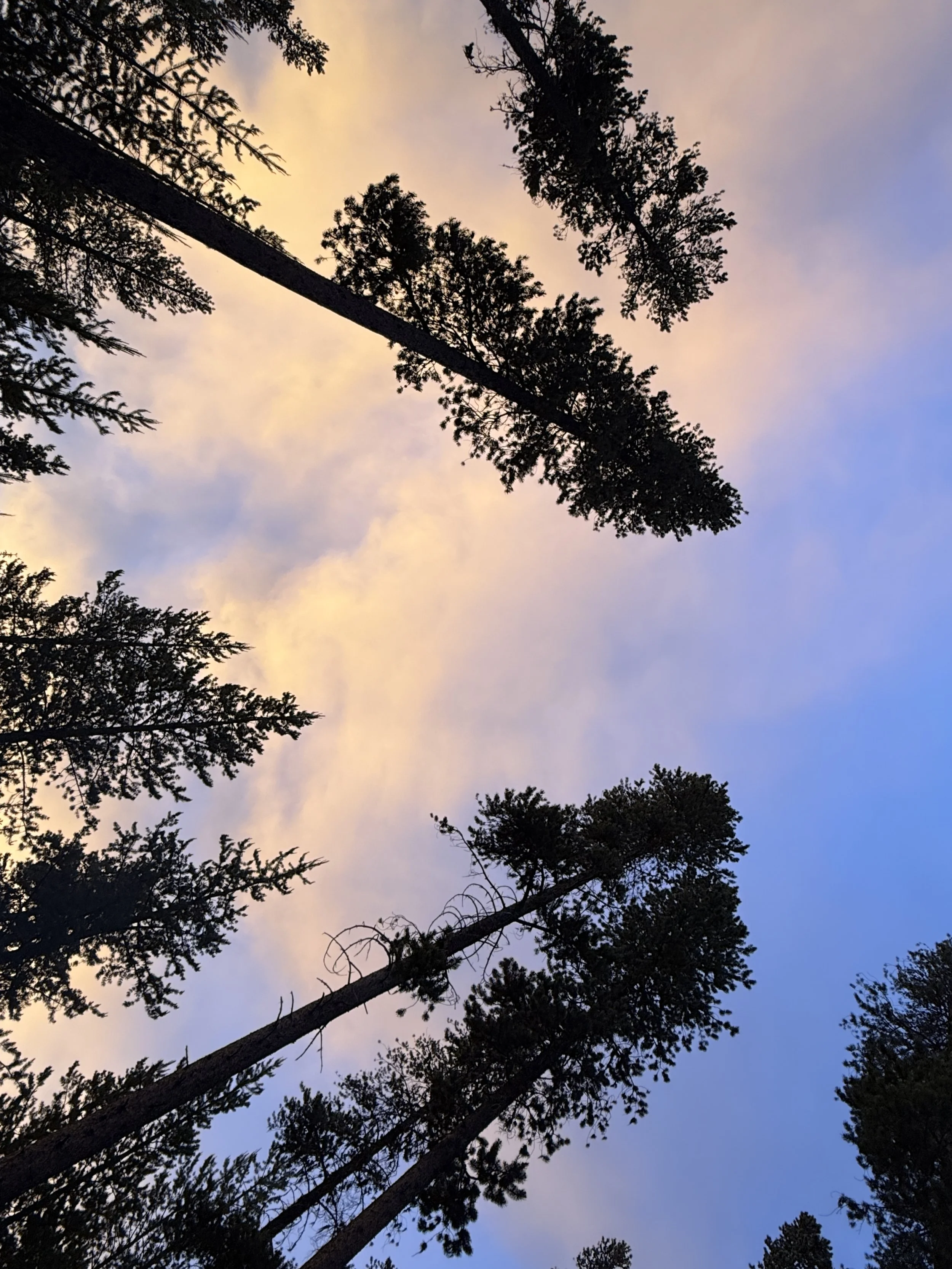
The production began with conversations. We interviewed venue owners and people connected to the rooms, then turned toward the musicians themselves. We gathered archival material, filmed contemporary performances, and followed the changing Central Oregon light into the evening—the magic hour that eventually gave Song of Sunset its visual and emotional identity.
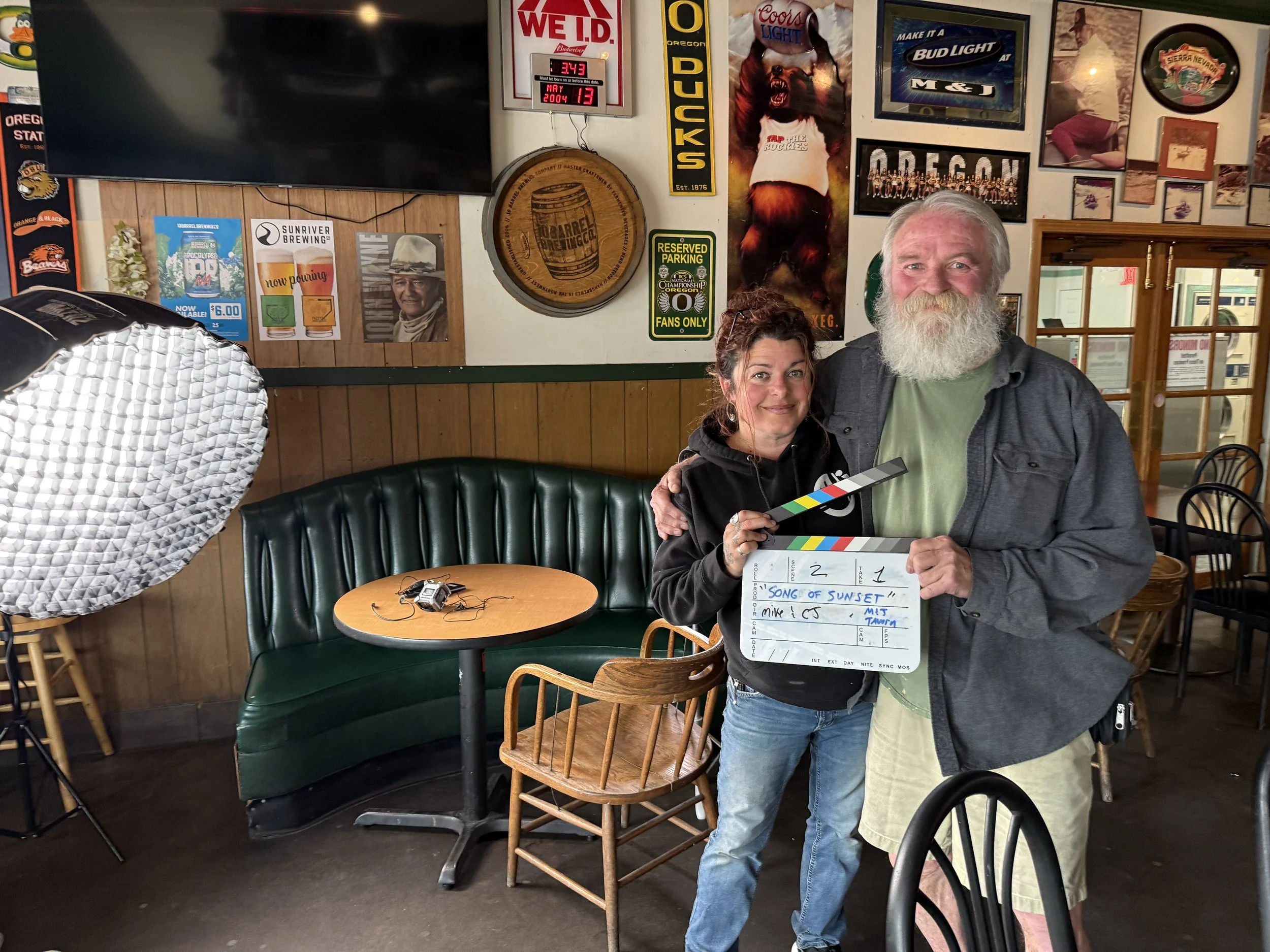
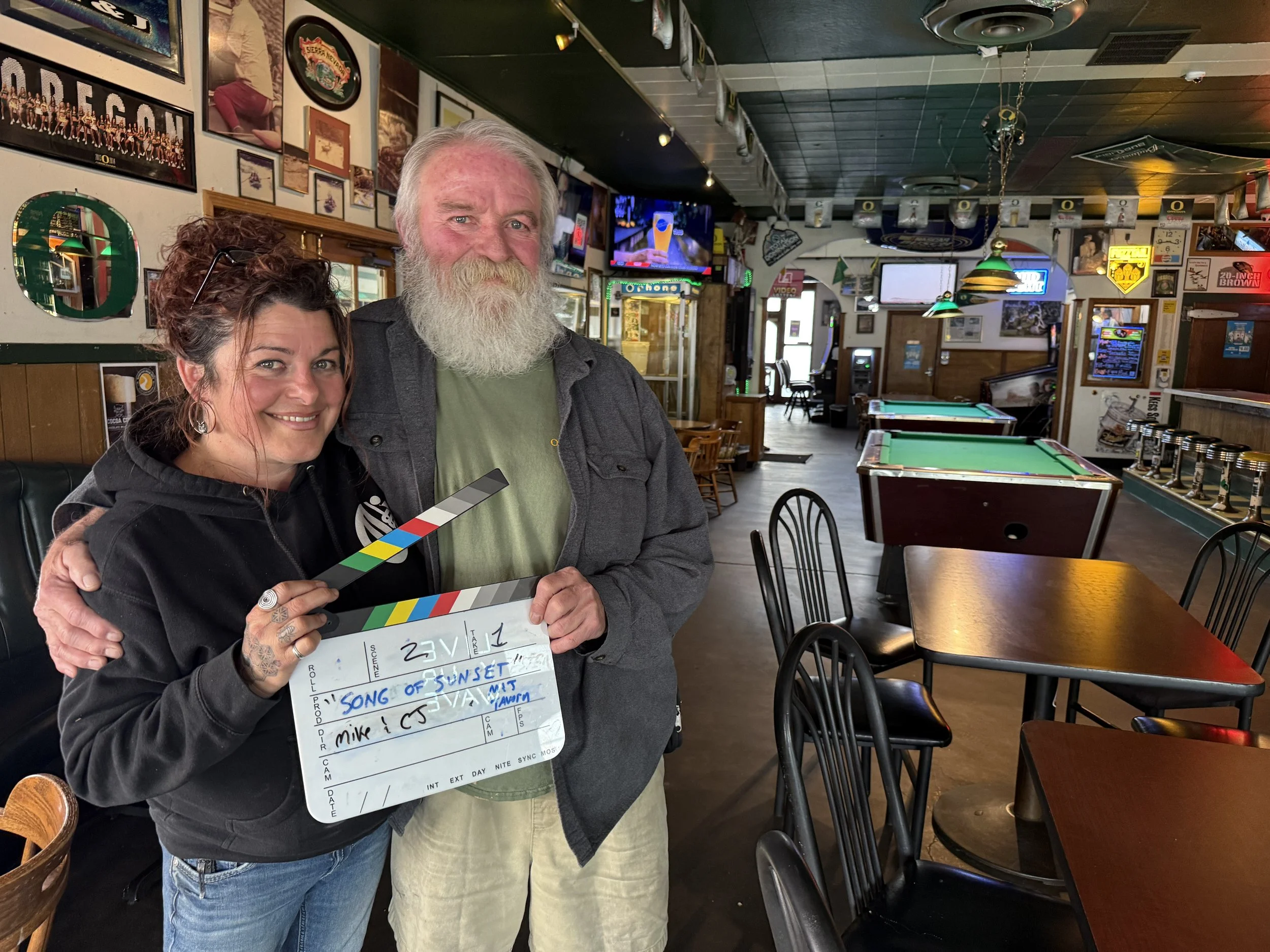
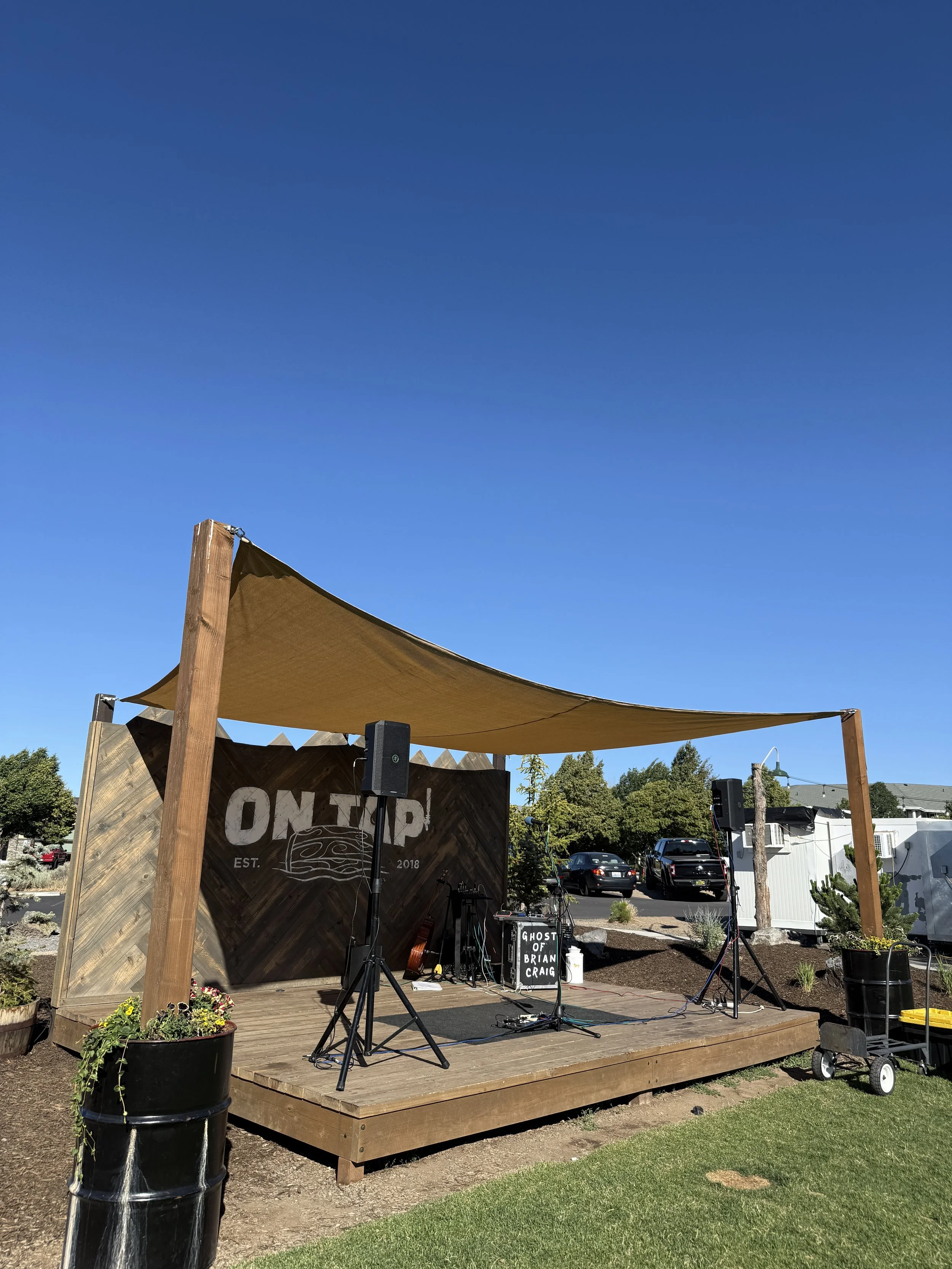
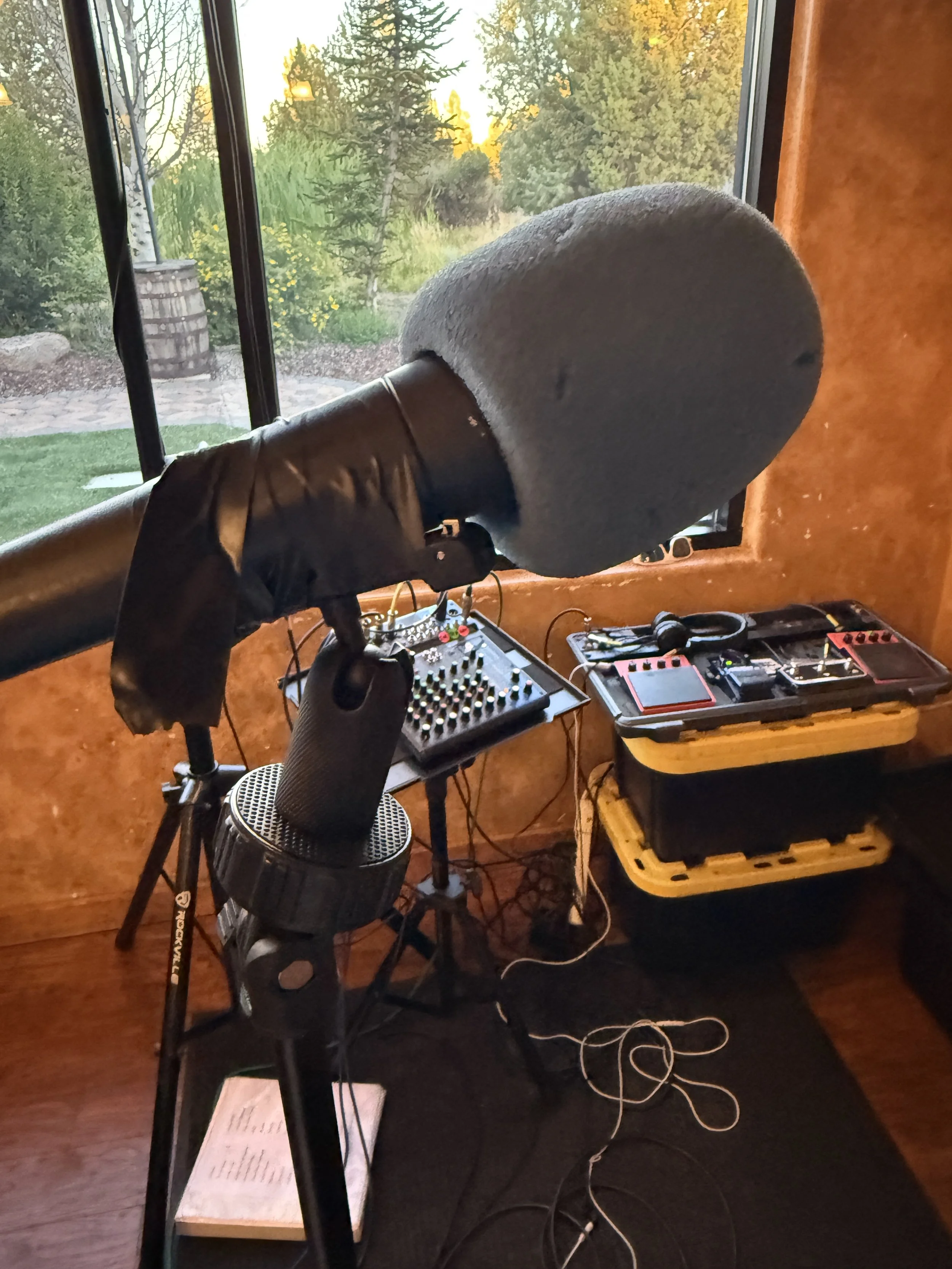
Some of the most meaningful photographs from that period were taken between the obvious moments: setting up equipment, walking into a location for the first time, waiting for the light, listening before asking the next question, and trying to understand the story while we were still inside it.
At that stage, there was no audience response to rely on and no festival recognition to point toward. There was only the footage, the people who had trusted us with their stories, and the belief that something honest was beginning to take shape.
The Uncertainty Before the Screen
Documentaries change as you make them. An interview alters the meaning of a location. A performance gives new weight to an earlier conversation. A piece of archival material opens a door you did not know was there.
After the first venue interviews were completed, the footage and sound were strong—but the film still had to be discovered in the edit. We transcribed the conversations, searched for the narrative running beneath them, and continued filming musicians and live music through the summer.
This is the part of filmmaking that rarely appears in the finished work. It is the long stretch between intention and understanding: reviewing footage, questioning the structure, finding connections, losing them, and finding them again.
Before Song of Sunset was submitted to film festivals, we had no outside measure of what the film might become. That uncertainty was uncomfortable, but it was also valuable. It kept the focus on the people and places in front of the camera. The job was not to predict where the documentary would go. The job was to make it truthful.
October 8, 2025
The first documentary returned to one of the places where its story had been filmed: Volcanic Theatre Pub in Bend.
On October 8, 2025, approximately 70 people joined us for the screening and live performance. Musicians connected to the film stepped out of the projected story and onto the stage. The audience was not simply watching a documentary about a creative community; for one evening, they were participating in it.
That changed everything.
The film provided context, character, and a sense of place. The live performances carried those stories forward in real time. The room itself connected the screen, the stage, the artists, and the audience.
What happened at Volcanic Theatre Pub was more than a premiere. It revealed the format.
Song of Sunset could be a continuous live-cinema experience: original documentary films, live music, projected imagery, storytelling, and public conversation composed as one complete evening. The documentary would not end when the credits rolled. It could open the room for whatever came next.
Looking Back at the First Journey
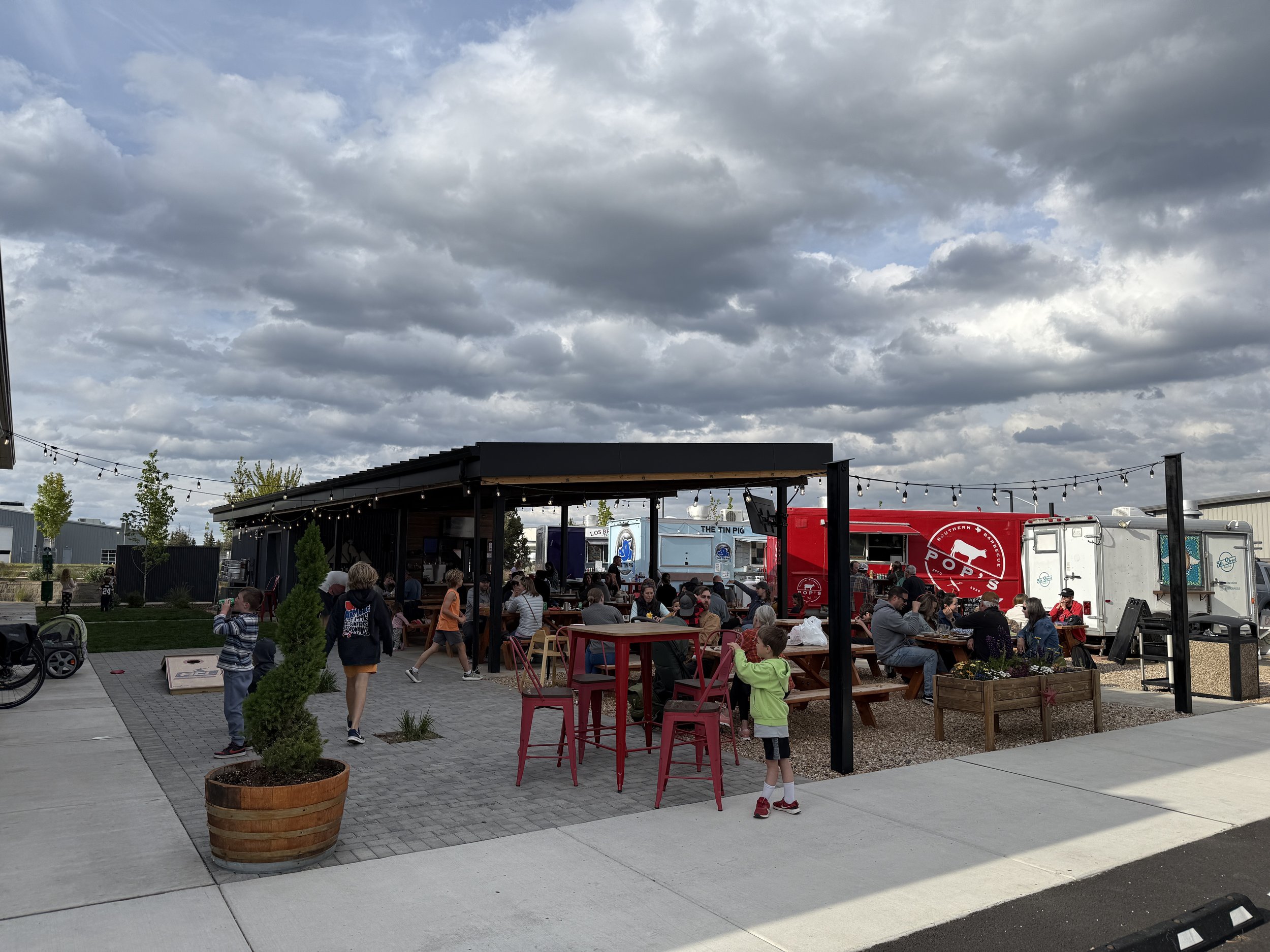
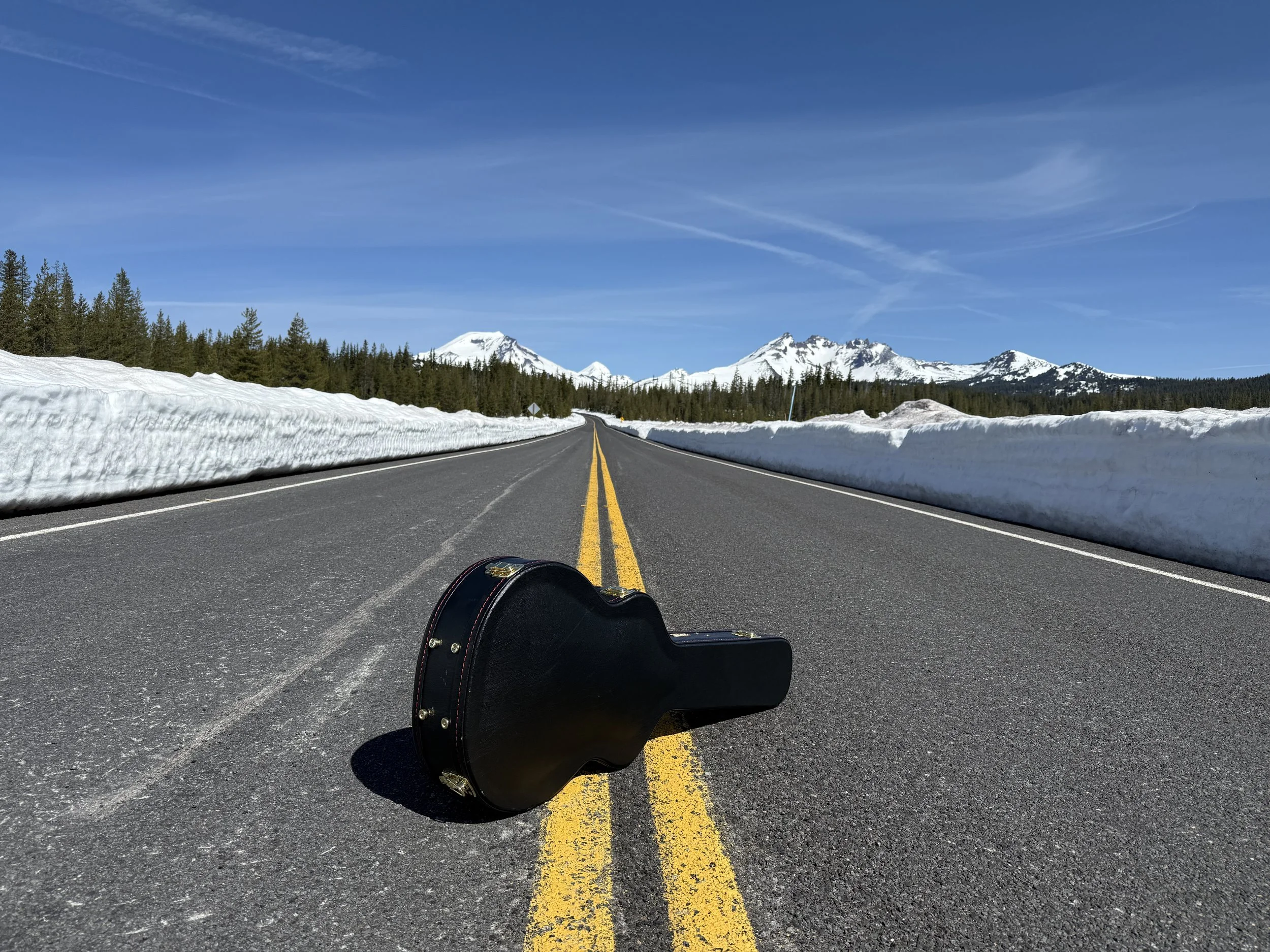
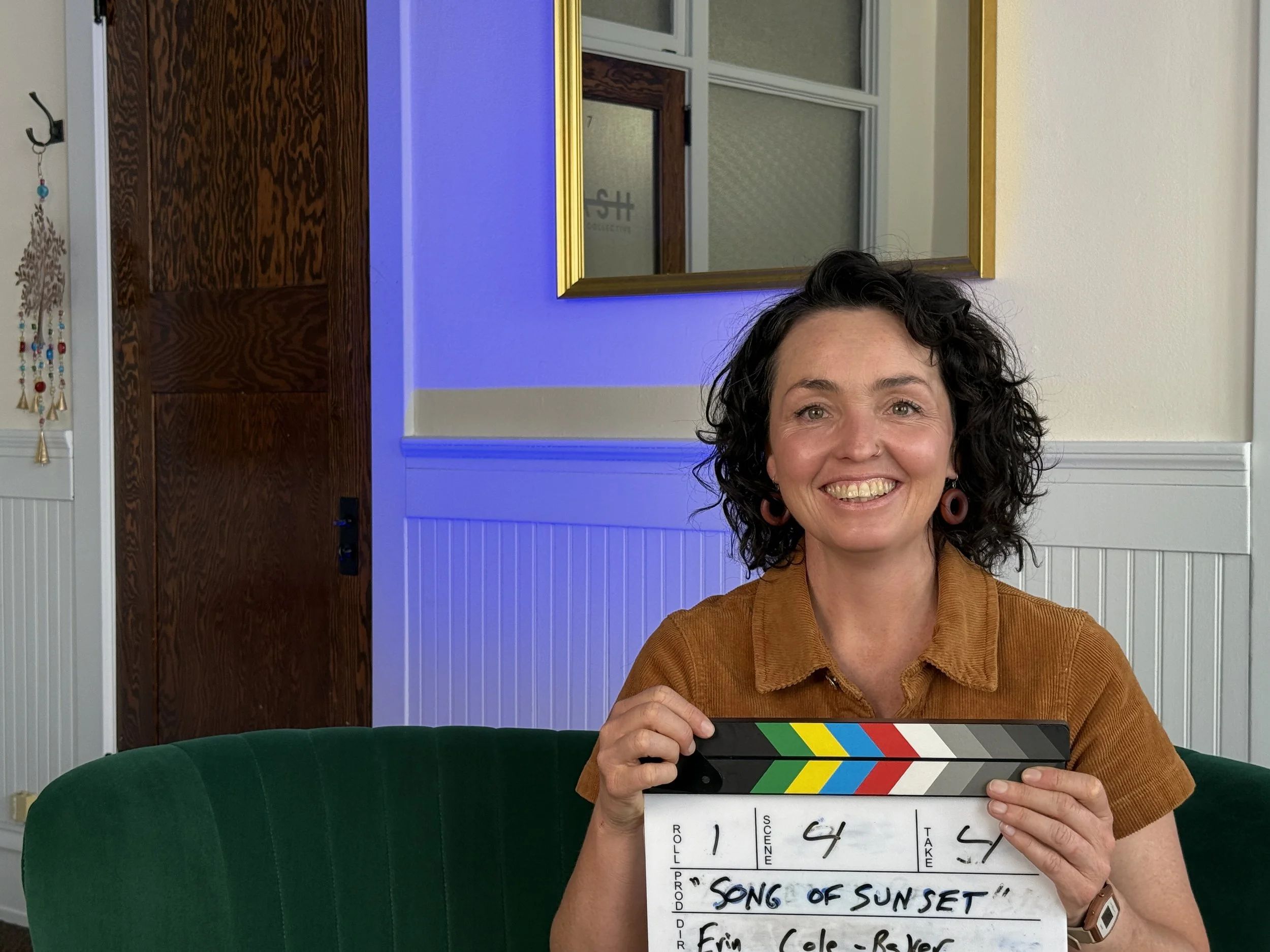
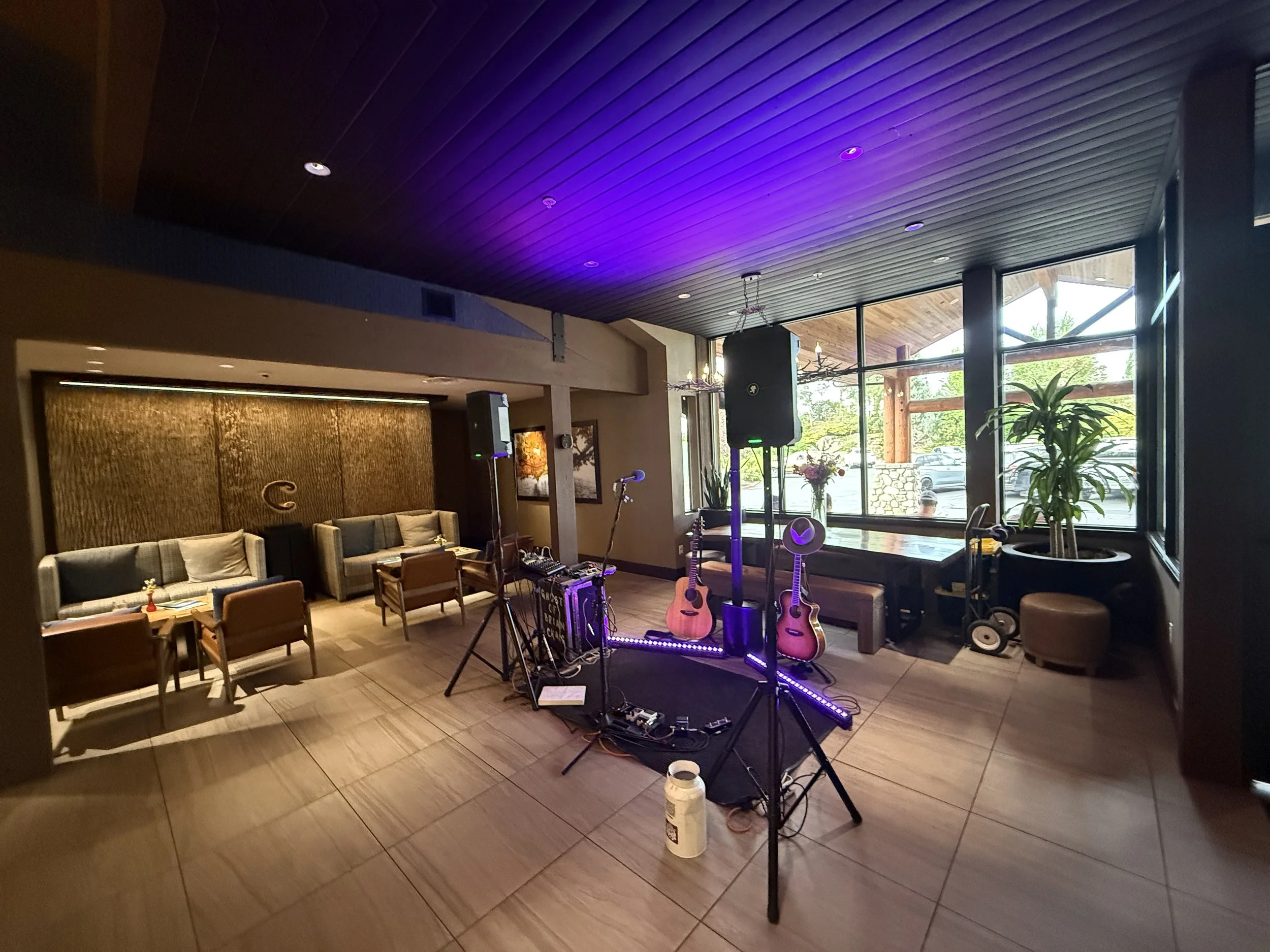
These behind-the-scenes photographs come from the period before we knew any of that.
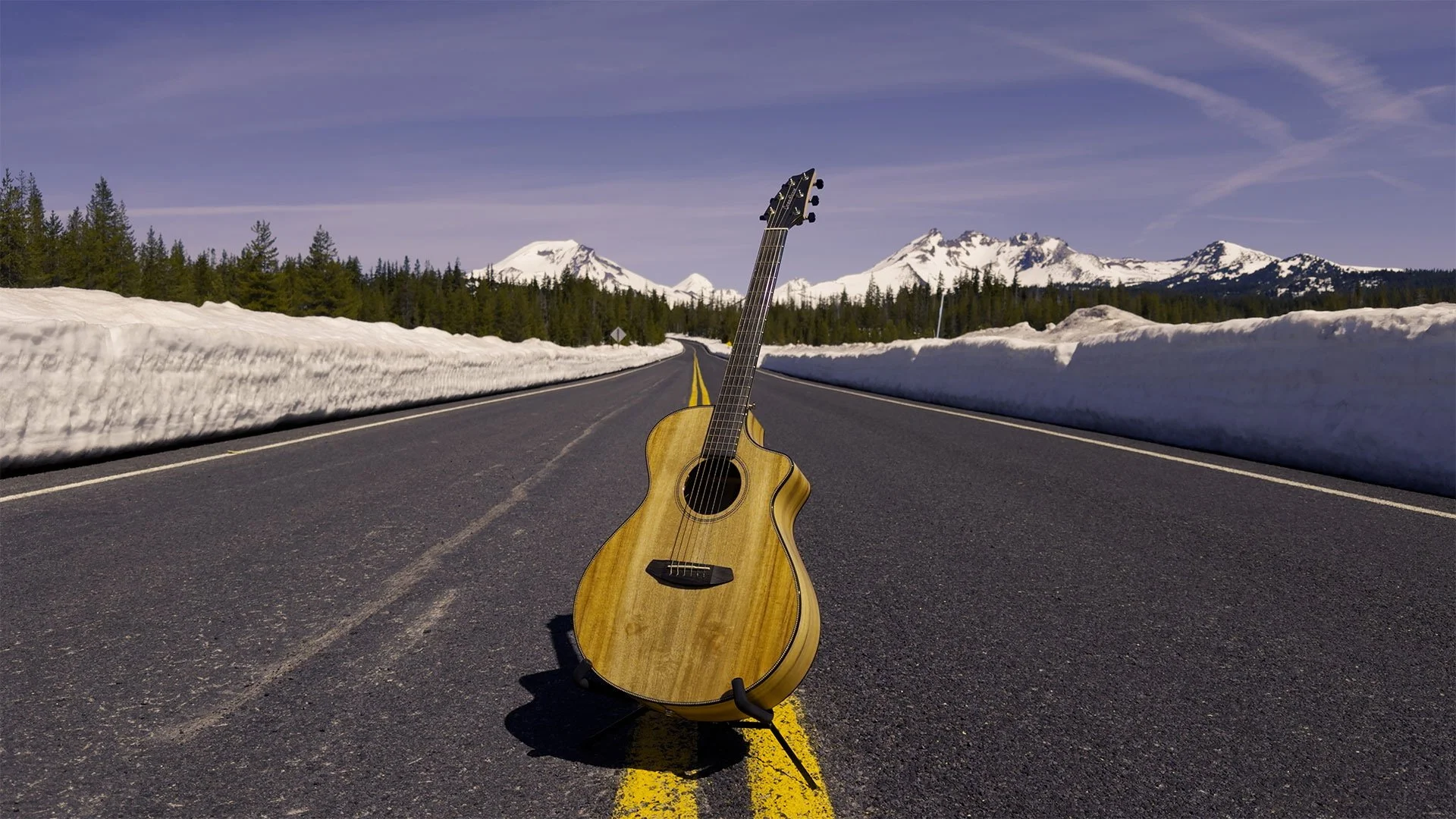
They show the first locations, the working process, the people who allowed the cameras into their spaces, and the landscapes surrounding the production. They hold the nervous energy of a first attempt—the stage before the stage, before festival submissions, before awards, and before Song of Sunset had grown into an ongoing series.
Looking back, I can see pieces of the future hiding inside the original production. The emphasis on place. The intimacy of a small room. The movement between film and music. The belief that artists and audiences should be brought close enough to truly encounter one another.
The project has expanded since that first night, but its center has remained the same: tell honest stories about culture and place, bring the people inside those stories into the room, and create an experience that can happen only once, with that particular audience, on that particular evening.
The first Song of Sunset documentary began as an attempt to capture a local music community during magic hour.
At Volcanic Theatre Pub, it became the beginning of the show.